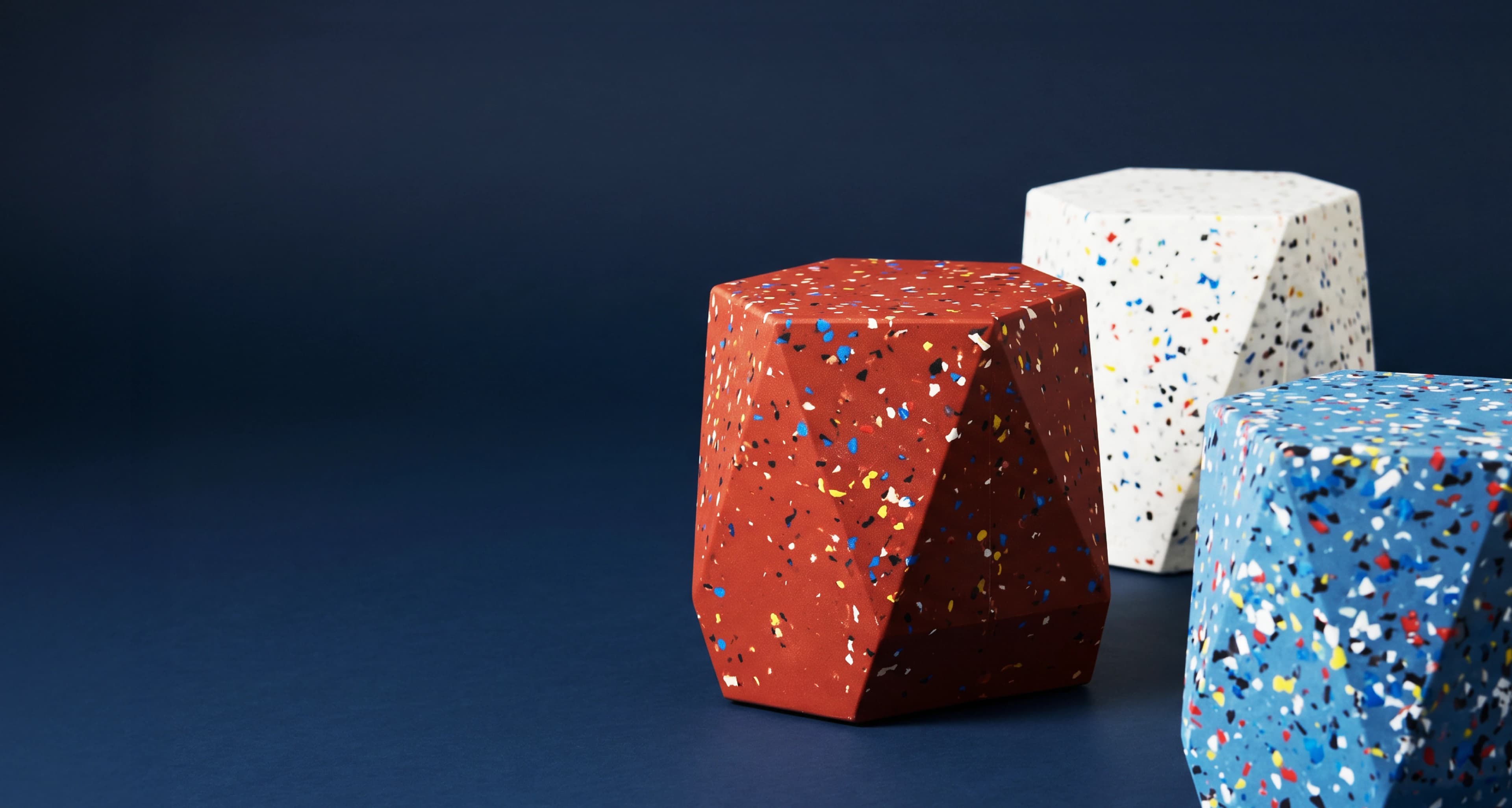
PLASTIC RECYCLE
PT Graha Bintang Sumaindo (GBS) provides raw material solutions through an integrated plastic recycling process, supporting the needs of the plastic furniture industry in the domestic market. We are also committed to transforming plastic waste into high-quality plastic pellets through efficient and sustainable practices.
Our Journey
We developed our plastic recycling line as part of our effort to strengthen the raw material supply chain within the plastic furniture industry. Since 2023, our facility has continuously enhanced its recycling capabilities to produce materials that are consistent, stable, and ready for large-scale manufacturing.
Our Clients
PT Graha Bintang Sumaindo supplies plastic pellets to several plastic furniture manufacturers across Indonesia, including: 1. PT Cahaya Bintang Plastindo (Lamongan) 2. PT Kurnia Persada Mitra Mandiri (Palembang) 3. PT Putra Bintang Minahasa (Manado)
Our Capabilities
Supported by a standardized recycling system, we produce plastic pellets with consistent and reliable quality. Our facility has the capacity to process up to 652 tons of plastic waste per month, resulting in high-quality materials ready for large-scale production


Plastic Recycle Production Process
We implement a FIFO (First In, First Out) material management system to ensure that every component is always in optimal condition before entering the production line.
Sorting

PP (Polypropylene) plastic waste or products are sorted according to predefined categories to ensure material consistency.
Crushing

Plastic waste is crushed into small flakes for easier processing in the next stage.
Washing

The plastic flakes are thoroughly washed to remove dirt, odors, and other contaminants.
Extrusion

The flakes are melted and processed through an extrusion machine, then pushed through a mold and cooled using water.
Cutting

The extruded strands are cut into pellets of uniform size.
Screening & Packaging

The pellets are screened to ensure consistent sizing, then packed into plastic sacks for distribution.
Our Certifications
We maintain strict quality standards throughout every stage of the recycling process to ensure consistent raw materials and support overall product quality.
Reflects our commitment to consistent quality control and continuous improvement across all production processes.
Sustainability

Environmental Benefits
Most plastic waste today is made from PP (Polypropylene). Through recycling, this material can be transformed into valuable resources, helping reduce environmental pollution. In addition, the recycling process requires significantly less energy compared to producing new plastic, contributing to more efficient resource utilization.
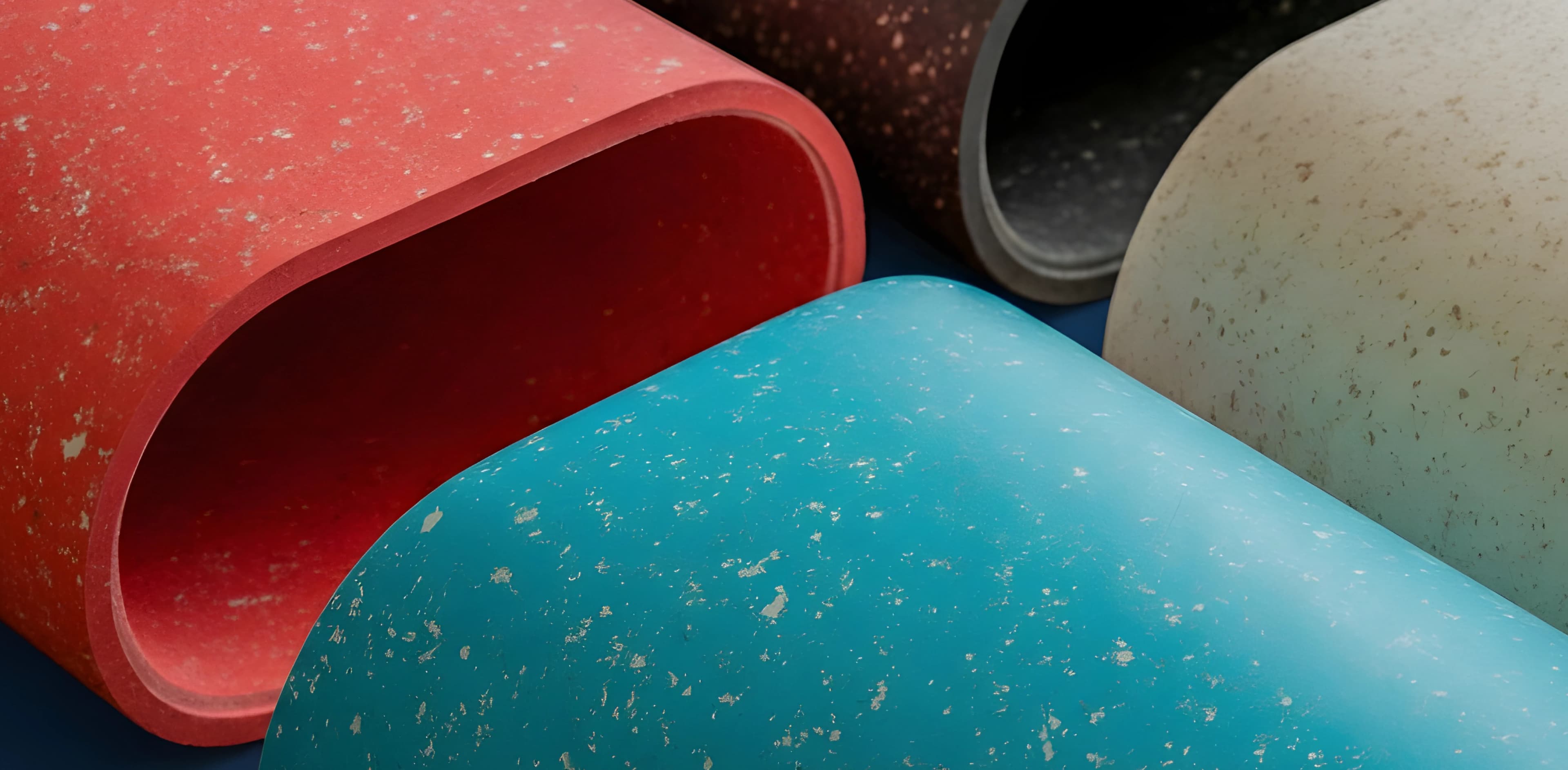
Circular Economy
We apply circular economy principles by converting plastic waste into reusable raw materials. This approach not only reduces waste but also creates a more sustainable and efficient production cycle.


FAQ About Plastic Recycle
1. What types of plastic can be recycled?
1. What types of plastic can be recycled?
Recyclable plastics include PP (Polypropylene), PET, HDPE, and LDPE. Most of our products primarily use PP as the main material.
2. How does the recycling process work?
2. How does the recycling process work?
The process begins with sorting to separate plastics by type, particularly PP materials. The plastic is then crushed into small flakes and washed to remove dirt, contaminants, and metal particles. The flakes are melted at standardized temperatures and formed through molds into plastic strands, which are then cut into pellets of uniform size.
3. Are the plastic pellets inspected before use?
3. Are the plastic pellets inspected before use?
Yes. All produced plastic pellets undergo strict quality control, including checks for transparency, color, and size, to ensure they meet established standards.
Article
Ingin tahu lebih banyak tentang Plastic Recycle?
Jelajahi lebih banyak di sini